 Culture & History
A Walking Guide to Dadaocheng: Into the Stories of Dihua Street
2026-07-16 · About 5 min
When the port of Tamsui opened in 1860, tea left Taiwan from the Dadaocheng wharf, and this riverside district has been trading ever since. Walk down Dihua Street and what you see is not a set restored for tourists — the dried-goods shops still weigh out dried shrimp, the herbalists still fill prescriptions, the fabric market still cuts cloth. This old street is alive.
Suggested route
Start from Beimen or Daqiaotou MRT station. The classic walk begins at Xiahai City God Temple, heads north along Dihua Street Section 1, ducks through the long shophouse arcades on both sides, and ends at Dadaocheng Wharf for sunset — about two kilometres, two to three hours at a stroll.
What to look for
- The three-hall shophouse layout: storefront on the street, a lightwell courtyard in the middle, living quarters behind — the narrow shape comes from an era when tax was levied by frontage width
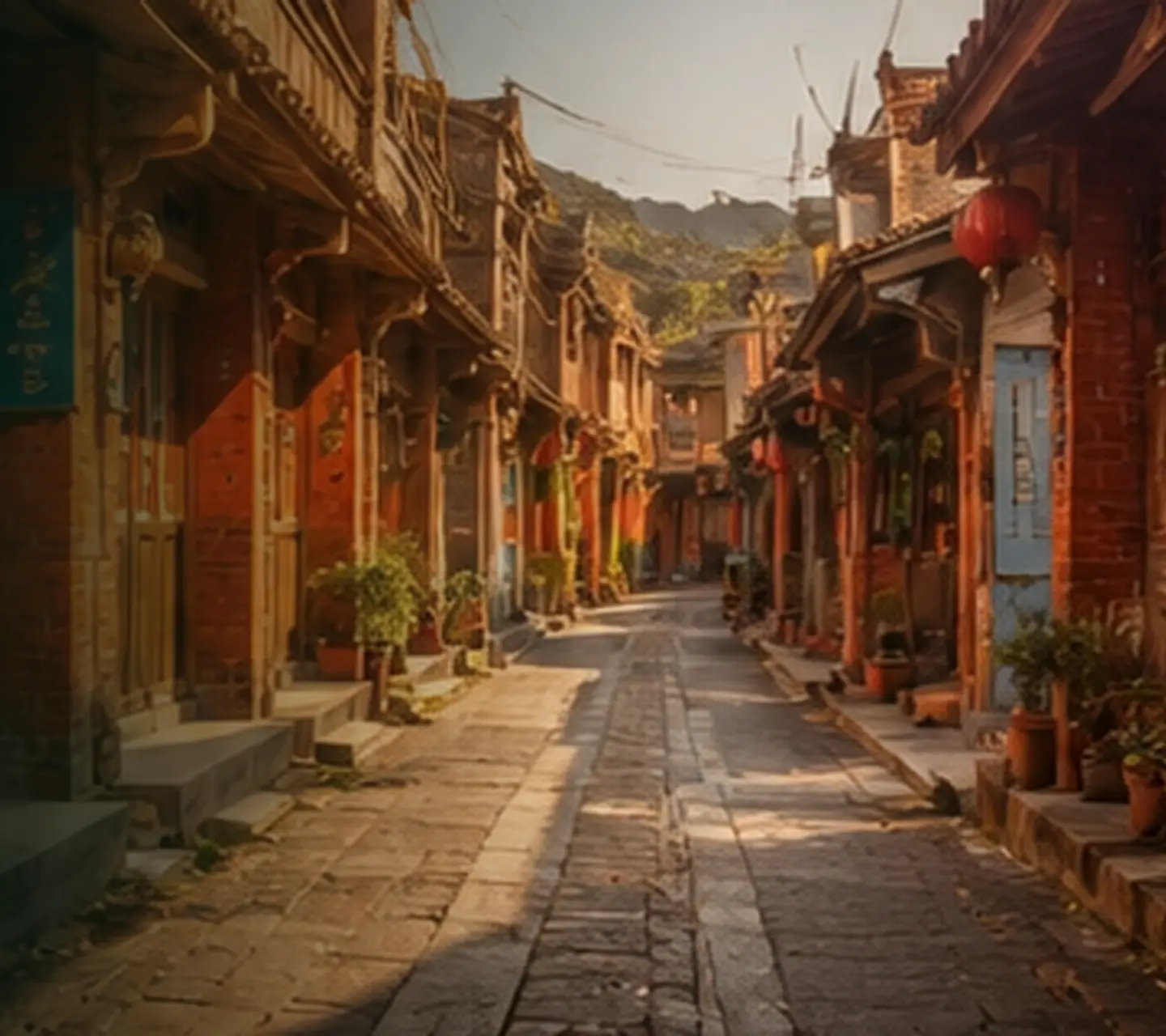
- Three eras on one facade: southern-Fujian red brick, Western-style arcades, and 1920s Baroque pediments, standing side by side on the same street
- Xiahai City God Temple: two hundred years of incense, and a permanent queue in front of the Matchmaker god
- Yongle Fabric Market: three floors of cloth, the starting point of many costume makers and designers
What to eat
The temple plaza in front of Cisheng Temple is the locals' lunchroom — pork rib soup with braised pork rice is the standard order. On Dihua Street itself, the old almond jelly and swordfish rice-noodle shops are exactly what tired feet need.
When to go
Weekday mornings show the district at work; weekends bring crowds but also events. The Lunar New Year market is the loudest week of the year — and the most crowded. If you come for the architecture, avoid it.
Walk it with a local guide and you will hear ten times more: the family sagas behind the shophouses, the rise and fall of the trading firms.
🗺️ Ready to set off?
Explore tours →